
Undergrowth Removal in Houston, TX
Undergrowth removal services focus on clearing dense, overgrown vegetation such as shrubs, small trees, and thick underbrush that can encroach on a property. This type of project is often requested for yard cleanup, wildfire prevention, or to prepare a landscape for new planting or construction. Property owners typically want to understand what areas can be cleared, the types of vegetation that can be removed, and any considerations regarding existing plants or structures during the process.
Before requesting undergrowth removal, homeowners should consider the extent of overgrowth, the presence of invasive species, and any local regulations that may impact removal efforts. It’s also helpful to know whether the service includes debris disposal and if any additional work, such as stump grinding or land leveling, is needed to achieve the desired results. Clear communication about the scope of the project can ensure the process meets property owners’ expectations and property needs.
Many property owners in Houston, TX look into Undergrowth Removal for repairs, replacements, upgrades, and appearance-related improvements.
Safety And Property Protection
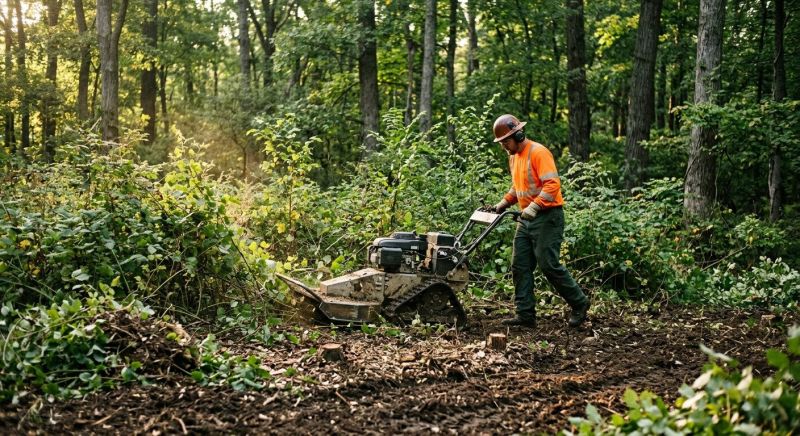
Removing overgrown underbrush reduces fire hazards and prevents damage to structures.
Landscaping And Aesthetic Improvement
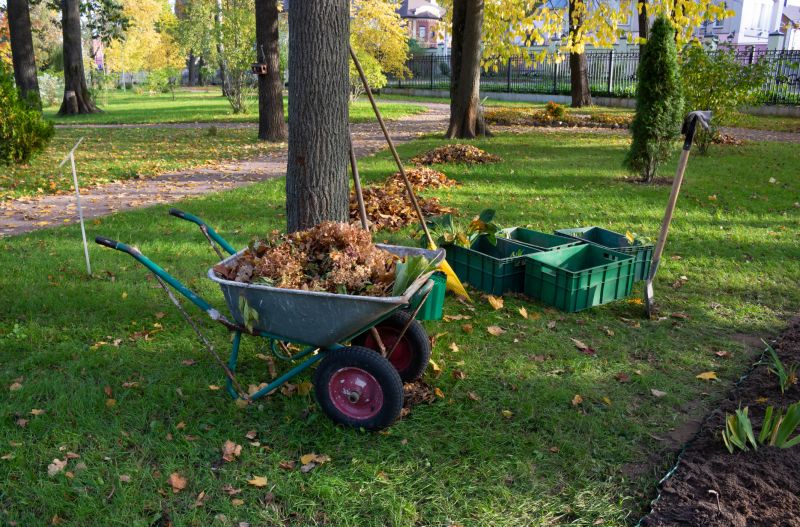
Clearing undergrowth enhances curb appeal and creates more usable outdoor space.
Pest And Weed Control
Eliminating dense undergrowth helps control pests and prevents invasive weeds from taking over.
Undergrowth Removal in Houston, TX
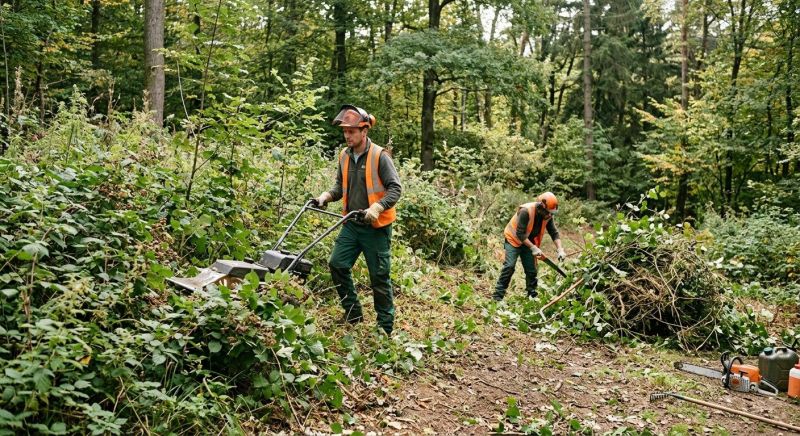
Undergrowth removal services focus on clearing dense, overgrown vegetation such as shrubs, small trees, and thick underbrush that can encroach on a property. This type of project is often requested for yard cleanup, wildfire prevention, or to prepare a landscape for new planting or construction. Property owners typically want to understand what areas can be cleared, the types of vegetation that can be removed, and any considerations regarding existing plants or structures during the process.
Before requesting undergrowth removal, homeowners should consider the extent of overgrowth, the presence of invasive species, and any local regulations that may impact removal efforts. It’s also helpful to know whether the service includes debris disposal and if any additional work, such as stump grinding or land leveling, is needed to achieve the desired results. Clear communication about the scope of the project can ensure the process meets property owners’ expectations and property needs.
Many property owners in Houston, TX look into Undergrowth Removal for repairs, replacements, upgrades, and appearance-related improvements.
Common Undergrowth Removal Jobs
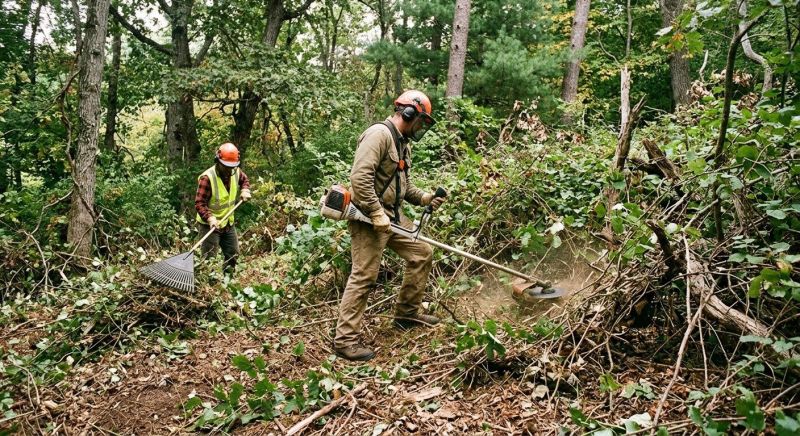
Underbrush Clearing - removal of dense undergrowth to improve yard visibility and access.
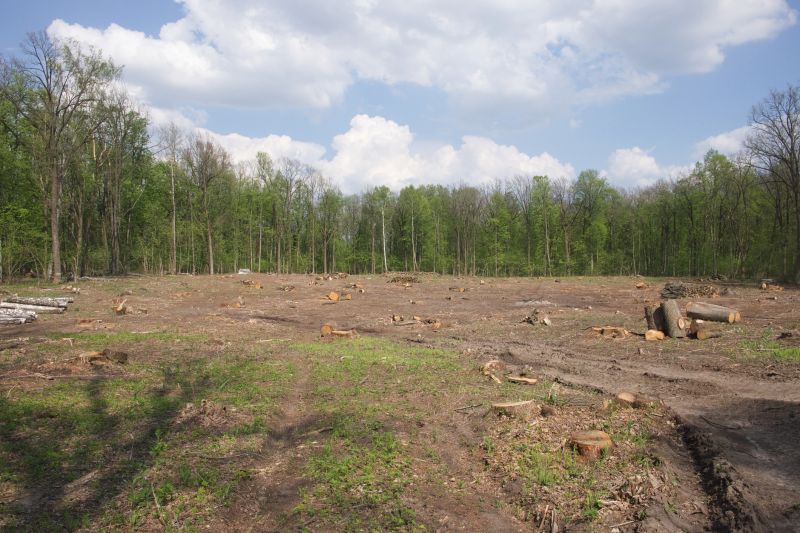
Overgrown Lot Cleanup - clearing excessive plant growth to enhance property appearance and safety.
Pathway and Trail Maintenance - removing unwanted growth along walkways for safer passage.
Fence Line Clearing - trimming or removing undergrowth that obstructs fences or boundaries.
Vegetation Removal - eliminating invasive or unwanted plants to promote healthy landscaping.
Brush Pile Removal - clearing away accumulated brush for a cleaner, more navigable yard.
Undergrowth Removal Questions
What is undergrowth removal? Undergrowth removal involves clearing dense shrubs, small trees, and brush to improve property appearance and accessibility.
When should property owners consider undergrowth removal? It is useful when overgrown areas hinder safety, property maintenance, or aesthetic appeal.
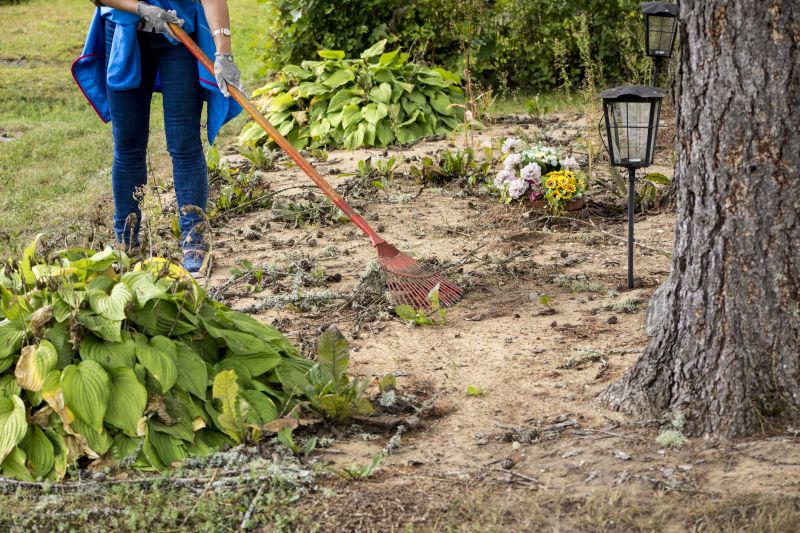
What types of projects typically require undergrowth removal? Common projects include clearing garden beds, preparing land for landscaping, or maintaining pathways and fences.
How does undergrowth removal benefit a property? It enhances safety, reduces fire risk, and creates a cleaner, more organized outdoor space.
Request Undergrowth Removal in Houston, TX
Use the quote form on this page to share the basics of your project and request more information for the type of work you need.